
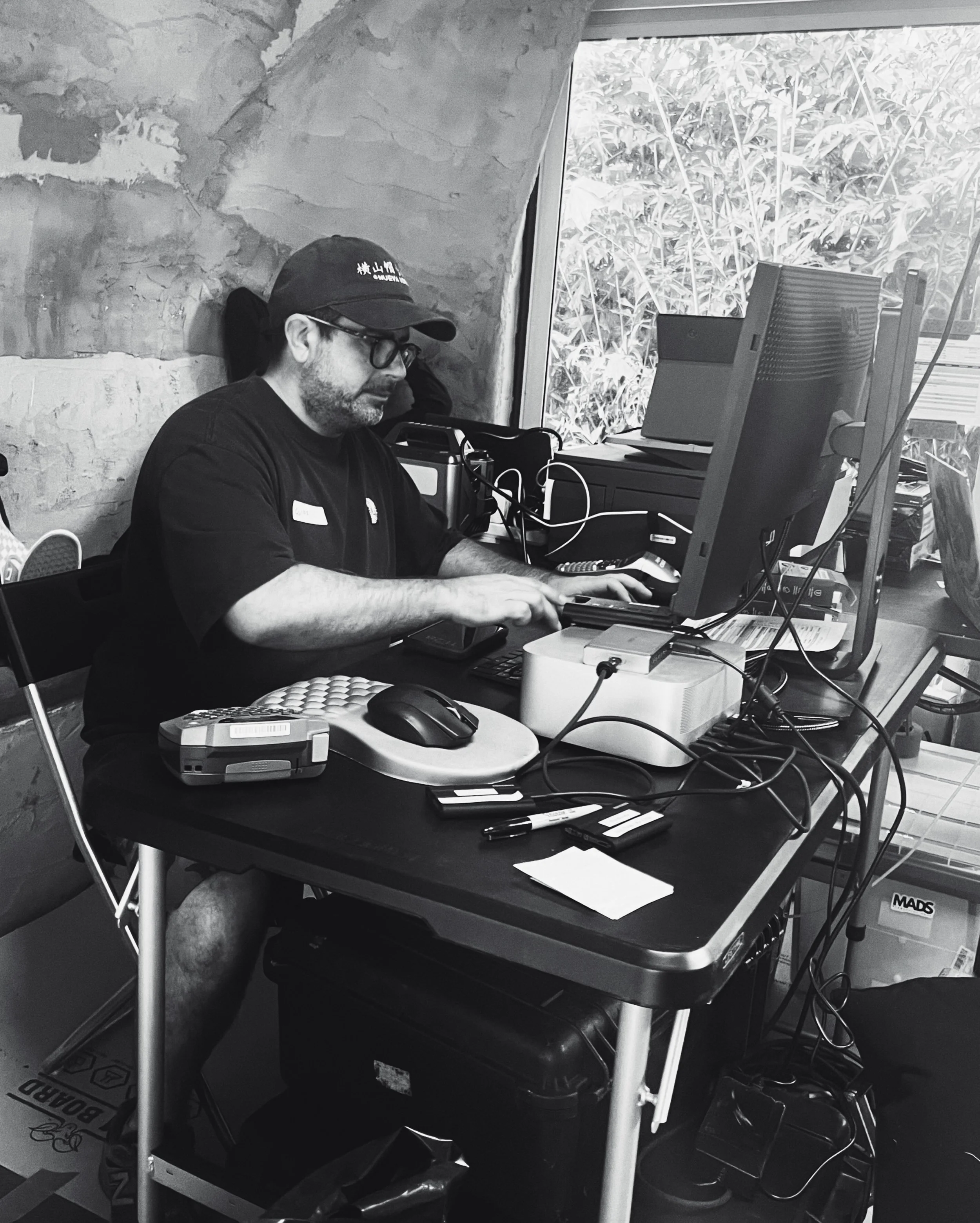
Camera 2 Cloud
Camera to Cloud (C2C) is revolutionizing the way productions are made — enabling footage to move instantly and securely from camera to cloud the moment it's captured, eliminating physical media handoffs and keeping your entire team connected in real time.
Got it — written for your website audience to drive leads. Let me put this together now.Here's a lead-driving article ready to drop onto your website:
What Is Camera to Cloud (C2C) and Why It's Changing Video Production?
If you've worked on a video production in the last few years, you've probably heard the term Camera to Cloud — or C2C. It's one of the most talked-about shifts in modern production workflows, and for good reason. C2C isn't just a new piece of gear or software — it's a fundamentally different way of working that saves time, reduces risk, and opens the door to true global collaboration.
So what exactly is it, and why should it matter to you?
What Is Camera to Cloud?
Camera to Cloud is a workflow that moves footage directly from cameras or recorders into the cloud, allowing teams to eliminate physical media handoffs and giving everyone real-time access to captured footage.
In practical terms, the moment your camera rolls, a proxy file begins uploading to a shared cloud platform — like Frame.io — automatically. Editors, art directors, and team members around the world can access footage seconds after capture, rather than hours or days later.
No memory cards being hand-delivered. No hard drives shipped overnight. No one waiting around.
How Does It Work?
As soon as you start capturing a scene, your camera creates and stores a high-quality master file on its internal storage. Simultaneously, a lower-bitrate proxy version is generated and uploaded to the cloud in the background as shooting takes place.
Teams can send low-resolution proxies for rapid feedback while full-resolution media continues to stream, meaning remote collaborators can annotate and comment in real time from anywhere. Once the edit is locked, the proxy is simply relinked to the original high-resolution camera files for final output.
Why Does It Matter for Your Production?
Faster Turnaround, Start to Finish
Without Camera to Cloud, workflows become sequential — shoot first, then transfer, then edit. That delay often determines whether content is timely or irrelevant. With C2C, capture and post-production run in parallel, which is what makes time-sensitive delivery possible.
Remote Collaboration, Anywhere in the World
With Camera to Cloud, your editor or director can access content from anywhere in the world with an internet connection. Whether your edit team is across town or across the globe, they're in the footage the moment it's shot.
Fewer Mistakes, Fewer Reshoots
C2C helps avoid costly reshoots by allowing more eyes on footage immediately, streamlines the editorial process, and eliminates the need for physical hard drive transfers.
Real-Time Client Approvals
Directors, producers, and clients can review, comment, and approve cuts in real time — without being on set. Assets are published through platforms like Frame.io to producers and stakeholders who can review and approve cuts in real time, no matter where they are.
Real-World Results
C2C isn't just theory — it's already transforming productions at every level. The Sundance Film Festival adopted a C2C workflow, allowing their team to change to a more effective way of ingesting, creating, and reviewing content that was not bound by physical location — reducing stress, improving productivity, and critically improving their time to market.
Is C2C Right for Your Project?
Whether you're producing a brand film, a commercial, a documentary, or live event coverage, Camera to Cloud can compress your timeline and give your entire team — on set and off — a better way to work together.
Cloud production workflows have progressed from being a proof of concept to a robust and stable way to speed up video production that's affordable and accessible to anyone, anywhere in the world.
We're proud to offer Camera to Cloud as part of our production services — bringing your project the speed, flexibility, and real-time collaboration that modern productions demand.
Ready to experience a smarter way to produce? Get in touch with us today.

THE FUTURE OF FILM
One of the biggest trends in the future of film is the continued rise of streaming services.
The future of film is an exciting and ever-evolving topic. From advancements in technology to changes in the way we consume media, the film industry is constantly adapting to meet the needs and preferences of audiences. In this blog, we'll explore the latest trends and developments in the world of film, including new forms of storytelling, the impact of streaming services, and the role of virtual and augmented reality. We'll also take a look at how the industry is responding to challenges such as increased competition and changing consumer habits. Whether you're a film enthusiast or just curious about the direction the industry is headed, this blog will provide a comprehensive look at the future of film.
The future of film is an exciting and ever-evolving topic. From advancements in technology to changes in the way we consume media, the film industry is constantly adapting to meet the needs and preferences of audiences.
One of the biggest trends in the future of film is the continued rise of streaming services. Platforms like Netflix, Amazon Prime, and Disney+ have already had a significant impact on the way we watch movies and television shows, and that impact is only going to grow in the coming years. In addition to providing an easy and convenient way to access a wide variety of content, streaming services are also changing the way films and TV shows are produced and distributed. For example, streaming services are increasingly producing their own content, which has led to the creation of new roles such as showrunners and head writers.
Another trend that is shaping the future of film is the increasing use of virtual and augmented reality. These technologies have the potential to completely change the way we experience movies and other forms of visual storytelling. For example, virtual reality could allow viewers to feel like they are actually inside the movie, while augmented reality could let them interact with the characters and settings in new ways. As these technologies continue to develop, we can expect to see more and more films and other visual storytelling experiences that take advantage of them.
The film industry is also facing challenges in the future such as increased competition and changing consumer habits. With the rise of streaming services and other digital platforms, there is more content available than ever before, making it harder for films and TV shows to stand out. Additionally, as people's attention spans continue to shrink, filmmakers will have to find new ways to capture and hold their audiences' attention.
Despite these challenges, the future of film is still very promising. As technology continues to advance, we can expect to see new and exciting ways to tell stories and engage audiences. The emergence of virtual reality, augmented reality and artificial intelligence will change the way we interact with film. It will let us see things that we never saw before, and it will let us see things that we never thought possible.
Overall, the future of film is an exciting and ever-evolving topic that is sure to bring new and innovative forms of storytelling and new ways to engage audiences. As the film industry continues to adapt to new technologies and changing consumer habits, we can expect to see new and exciting developments in the years to come.